Showing posts with label Great Salt Lake. Show all posts
Friday, March 2, 2012
LBCR at the City Library
It's time to start crocheting again! We are thrilled to be installing our next evolution of the Lake Bonneville Crochet Reef at the Salt Lake City Public Library, downtown, the first week in May. If you would like to participate, contact Bobbi at slccoralreef@gmail.com. You can also follow us on Facebook.
Thursday, August 4, 2011
Antelope Island Field Trip
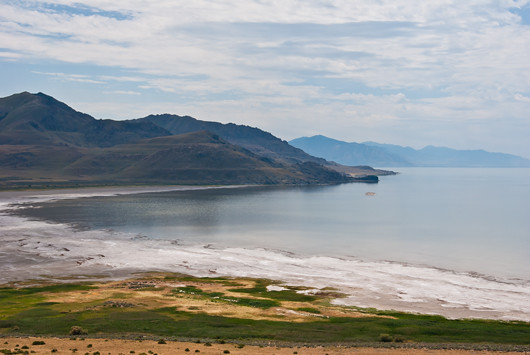
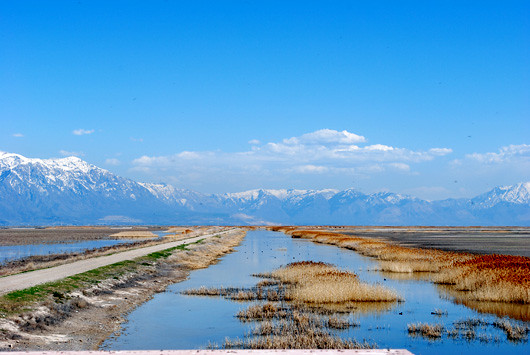
We had another amazing field trip out to the Great Salt Lake on Saturday, led by Jaimi of Great Salt Lake Institute.
I love our lake! It is such an amazing and precious gift.
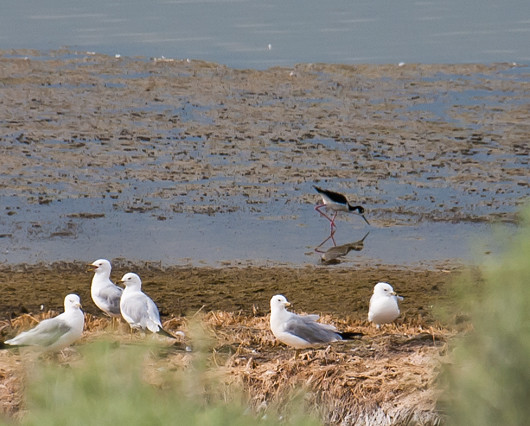
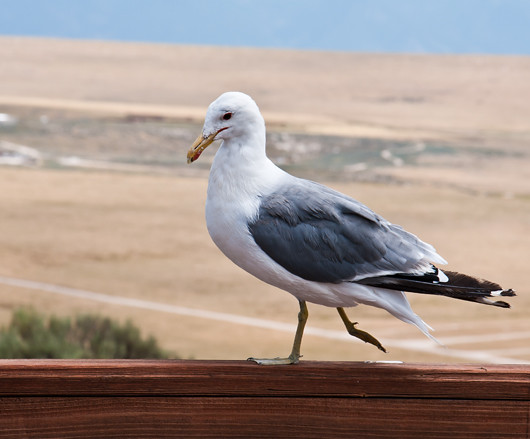
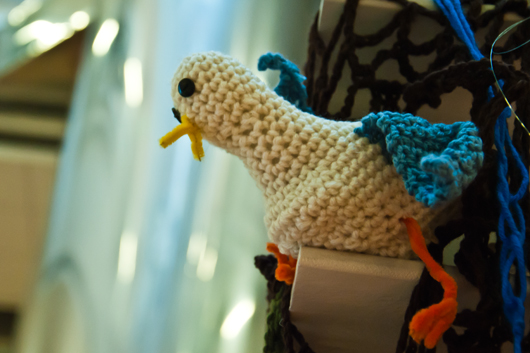
I've decided our reef needs birds! And what other bird would do besides a California Gull? Well, ok - pelicans, avocets, stilts....... I'm putting out a challenge to create amigarumi birds for our reef! What will you come up with?
Happy crocheting!
Bobbi
I love our lake! It is such an amazing and precious gift.
I've decided our reef needs birds! And what other bird would do besides a California Gull? Well, ok - pelicans, avocets, stilts....... I'm putting out a challenge to create amigarumi birds for our reef! What will you come up with?
Happy crocheting!
Bobbi
Wednesday, June 1, 2011
Field Trip to the Spiral Jetty
One of my favorite things about working on the Lake Bonneville Coral Reef Project is the opportunity to go on field trips to the lake and, most importantly, learning more about this precious resource we have here in Utah. Yesterday, I got to join Jaimi from the Great Salt Lake Institute as she went out to the Spiral Jetty to take water samples.
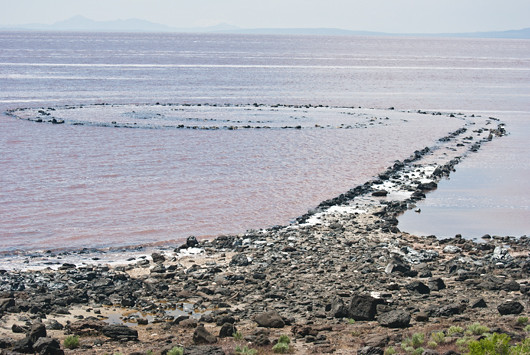
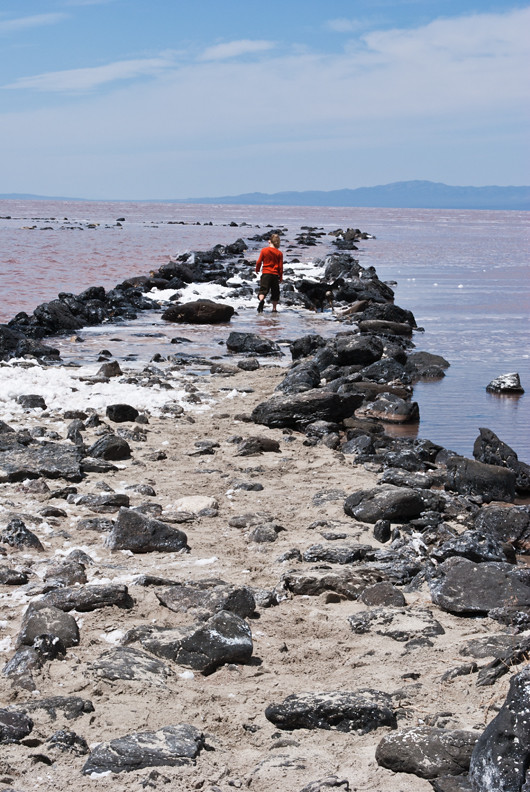
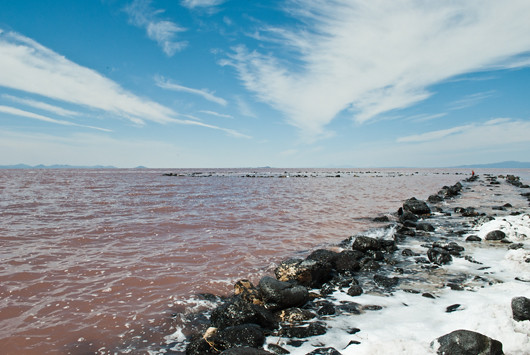
This was my first trip to the Spiral Jetty, so I was very excited to go along! This is the beginning of the spiral. Robert Smithson built this land art structure in 1970, using basalt rocks from the area.
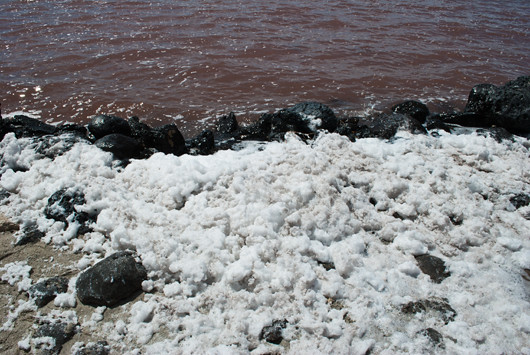
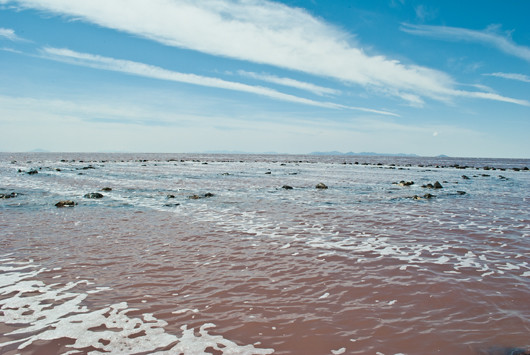
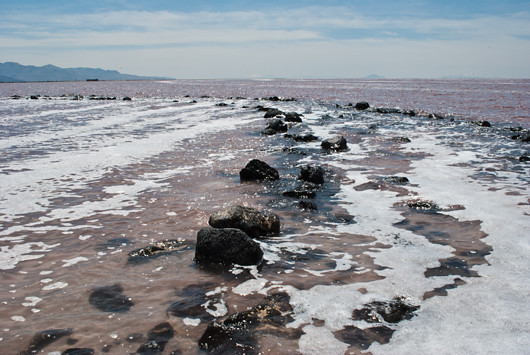
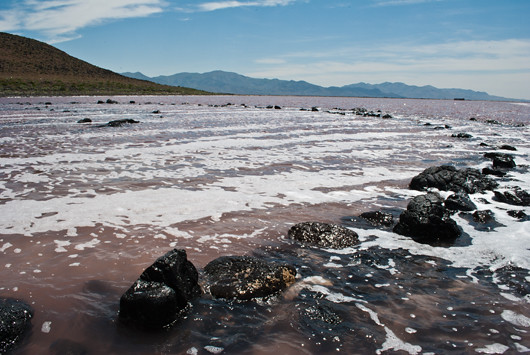
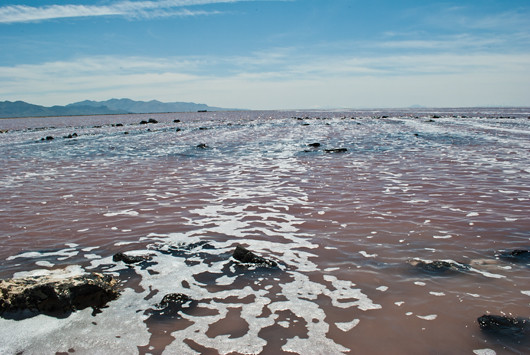
I had always thought that the white froth at the lake was because of pollution. Jaimi taught me that it is a result of the very shallow waters of the lake, mixed with high winds that whip up the water. The dissolved solids in the water then create bubbles, which, like when you are beating egg whites, will hold their shape.
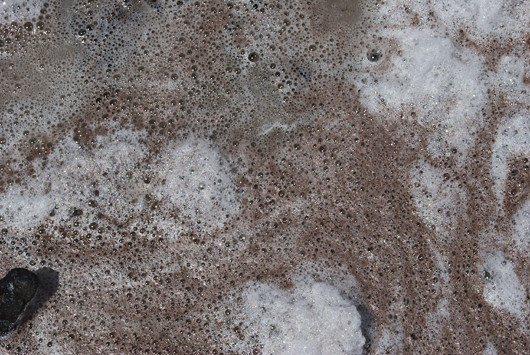
This lovely mix of chocolate with the egg whites is really brine shrimp cysts. Brine shrimp don't usually hang out in this part of the lake, because it's too salty even for them.
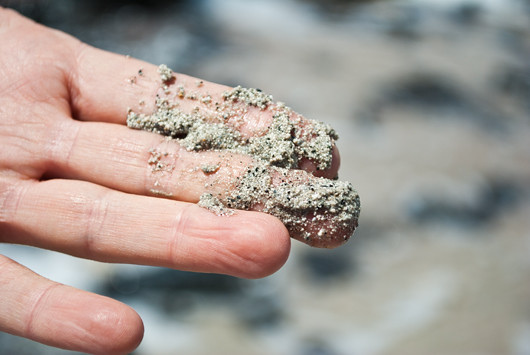
The sand at Great Salt Lake is called oolitic sand. The grains are round.
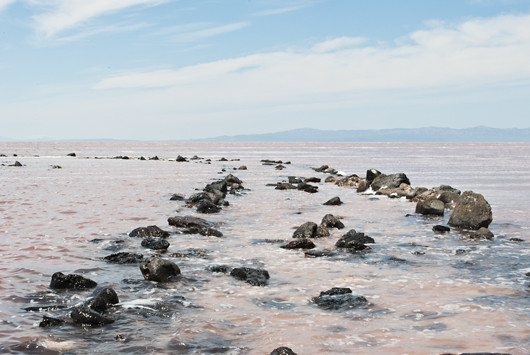
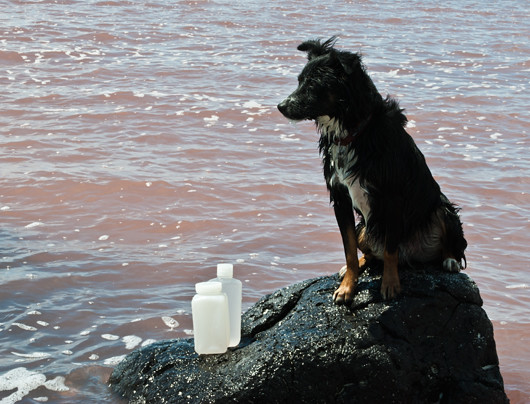
The water in this north arm of the Great Salt Lake is pink. This is because of the orange and red pigmented algae and other microbes that live here. Jaimi says, "Only very extreme microbes can survive here due to the high salt content in the water."
It is a very magical place.
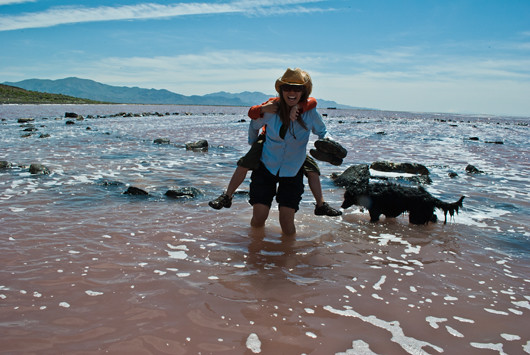
Salty dogs like the lake too!
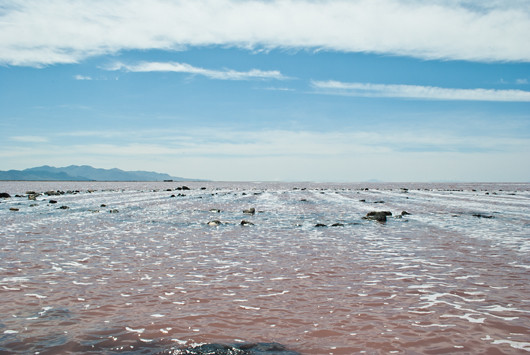
You can see the water level of the lake has gone up a bit with all the rain we've had!
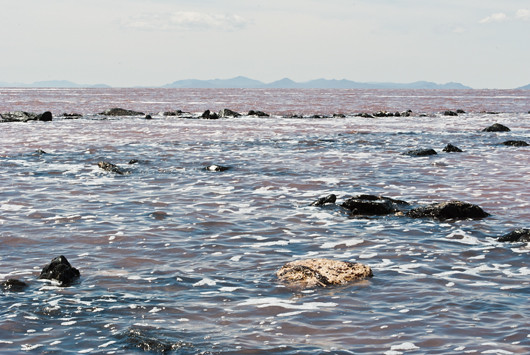
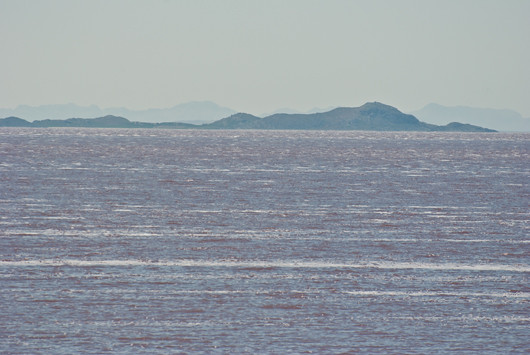
That is Gunnison Island off in the distance. This is an important nesting habitat for the American White Pelicans, a critical reason for protecting our lake.
Hope you enjoyed the tour! Thank you to Jaimi for being such a great guide and wealth of information!
This was my first trip to the Spiral Jetty, so I was very excited to go along! This is the beginning of the spiral. Robert Smithson built this land art structure in 1970, using basalt rocks from the area.
I had always thought that the white froth at the lake was because of pollution. Jaimi taught me that it is a result of the very shallow waters of the lake, mixed with high winds that whip up the water. The dissolved solids in the water then create bubbles, which, like when you are beating egg whites, will hold their shape.
This lovely mix of chocolate with the egg whites is really brine shrimp cysts. Brine shrimp don't usually hang out in this part of the lake, because it's too salty even for them.
The sand at Great Salt Lake is called oolitic sand. The grains are round.
The water in this north arm of the Great Salt Lake is pink. This is because of the orange and red pigmented algae and other microbes that live here. Jaimi says, "Only very extreme microbes can survive here due to the high salt content in the water."
It is a very magical place.
Salty dogs like the lake too!
You can see the water level of the lake has gone up a bit with all the rain we've had!
That is Gunnison Island off in the distance. This is an important nesting habitat for the American White Pelicans, a critical reason for protecting our lake.
Hope you enjoyed the tour! Thank you to Jaimi for being such a great guide and wealth of information!
Sunday, April 17, 2011
Update
Exciting things are happening with the Lake Bonneville Coral Reef! We have an exhibition venue! The reef will be exhibited at the Meldrum Science Center at Westminster College in October 2011. Our team of crocheters continues to grow, and they are creating some amazing pieces. We can always use more hands creating this reef, and all skill levels are welcome. If you don't know how to crochet, but would like to learn, stop by the Tea Grotto this Thursday, April 21 at 7:00pm and we'll give you a quick and easy lesson. Bring a size 'F' or 'G' crochet hook and a ball of yarn.
This Wednesday, April 20, we will have a table at Westminster's Earth Day event. Stop by and see us between 11:00am - 2:00pm to see some of our coral pieces.
See our "About" page for more information about the project.
Labels:
Great Salt Lake,
hyperbolic crochet,
Lake Bonneville
Wednesday, February 9, 2011
Our Reef is Growing!
We have been having some fun crochet get-togethers over at the Tea Grotto here. These are a few of the pieces we've all made so far. Check out more photos on our Flickr page!
We will continue to meet at the Tea Grotto on 900 East 2100 South every second and fourth Tuesday at 2:00PM, and every first and third Thursday at 7:00PM. Everyone is welcome! Bring your hooks and yarn:)
Wednesday, January 12, 2011
Crochet Seashell
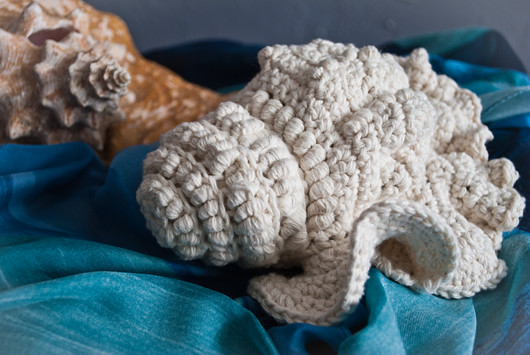
I did it! I crocheted a seashell! I started earlier this week, using the seashell in the back as inspiration.
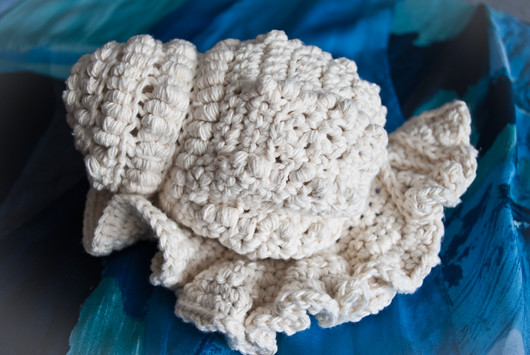
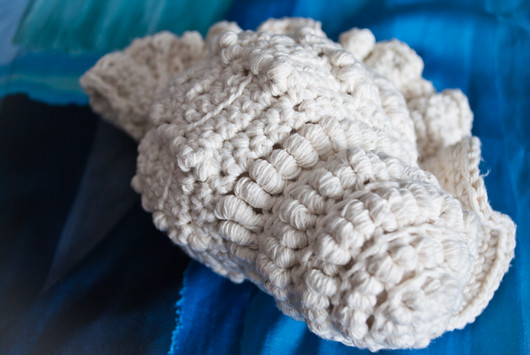
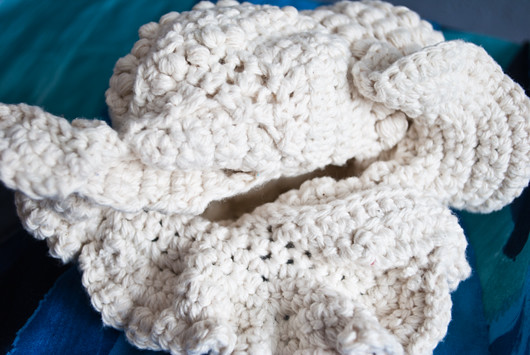
I didn't just want this to look like a seashell on the outside; I wanted it to be true to form through and through. I started with a 5 inch chain and used basic hyperbolic crochet, increasing every 6 stitches. This piece formed the inner spiral of the shell. I fastened off, wrapped it into the spiral, then reconnected the yarn and started a spiral of bullion stitches on the front. I quickly realized that the spiral was going the wrong direction, so I tried to crochet left-handed to get it to go the other way! It was working, but painfully slow. Instead, I switched to basically making the bullions backwards, inserting the hook from back to front in the foundation stitch.
I continued on with the spiral until a point when I started working back and forth rows again. The ruffled edge is also done with hyperbolic crochet. For more ruffle I increased every two stitches, for a softer wave I used fewer increases.
Can you hear the ancient sea in there?
We are crocheting tomorrow night (1/13/11) at 7:00pm at the Tea Grotto, then again on Tuesday (1/18/11) afternoon, 2:00pm same place if you wish to join us!
I didn't just want this to look like a seashell on the outside; I wanted it to be true to form through and through. I started with a 5 inch chain and used basic hyperbolic crochet, increasing every 6 stitches. This piece formed the inner spiral of the shell. I fastened off, wrapped it into the spiral, then reconnected the yarn and started a spiral of bullion stitches on the front. I quickly realized that the spiral was going the wrong direction, so I tried to crochet left-handed to get it to go the other way! It was working, but painfully slow. Instead, I switched to basically making the bullions backwards, inserting the hook from back to front in the foundation stitch.
I continued on with the spiral until a point when I started working back and forth rows again. The ruffled edge is also done with hyperbolic crochet. For more ruffle I increased every two stitches, for a softer wave I used fewer increases.
Can you hear the ancient sea in there?
We are crocheting tomorrow night (1/13/11) at 7:00pm at the Tea Grotto, then again on Tuesday (1/18/11) afternoon, 2:00pm same place if you wish to join us!
Subscribe to:
Posts (Atom)